Cannabis Science3 min read
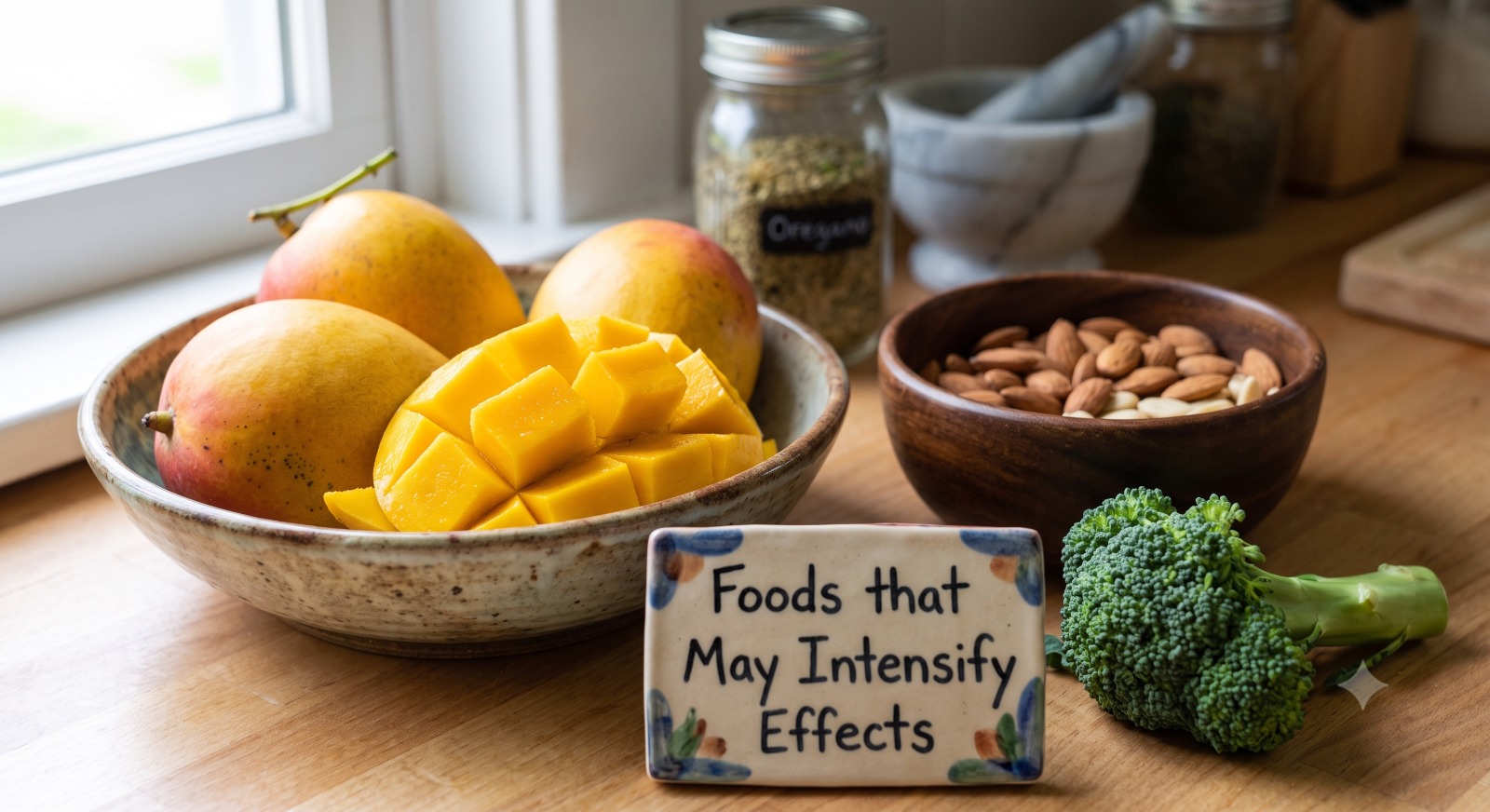
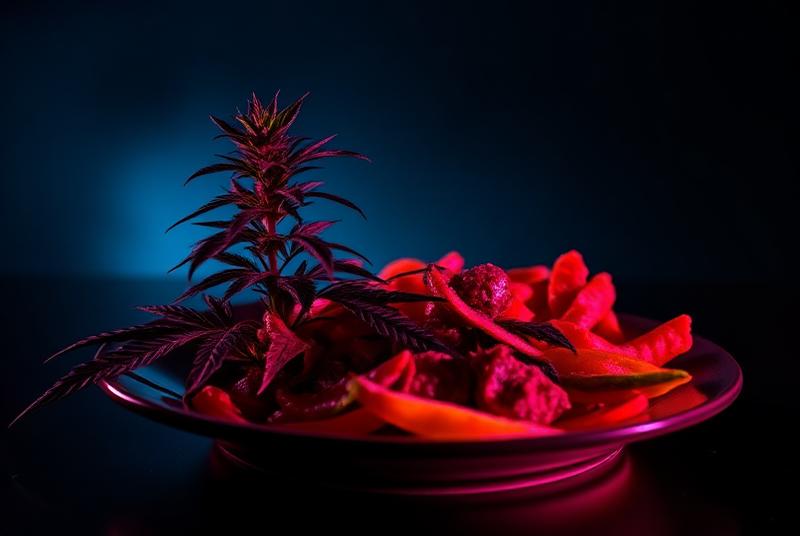
Munchies With a Mission: Foods That Turn Up the High
Ever wonder why a mango feels like a secret weapon on smoke night? From myrcene-rich fruits to omega-3-packed nuts, certain foods can amplify THC's effects.
The biology, chemistry, and pharmacology behind how cannabis interacts with the human body.
13 articles in this category
Ever wonder why a mango feels like a secret weapon on smoke night? From myrcene-rich fruits to omega-3-packed nuts, certain foods can amplify THC's effects.

Did you know humans and cannabis have been best friends for over 10,000 years? Take a quick, fun look at how this plant conquered the globe.
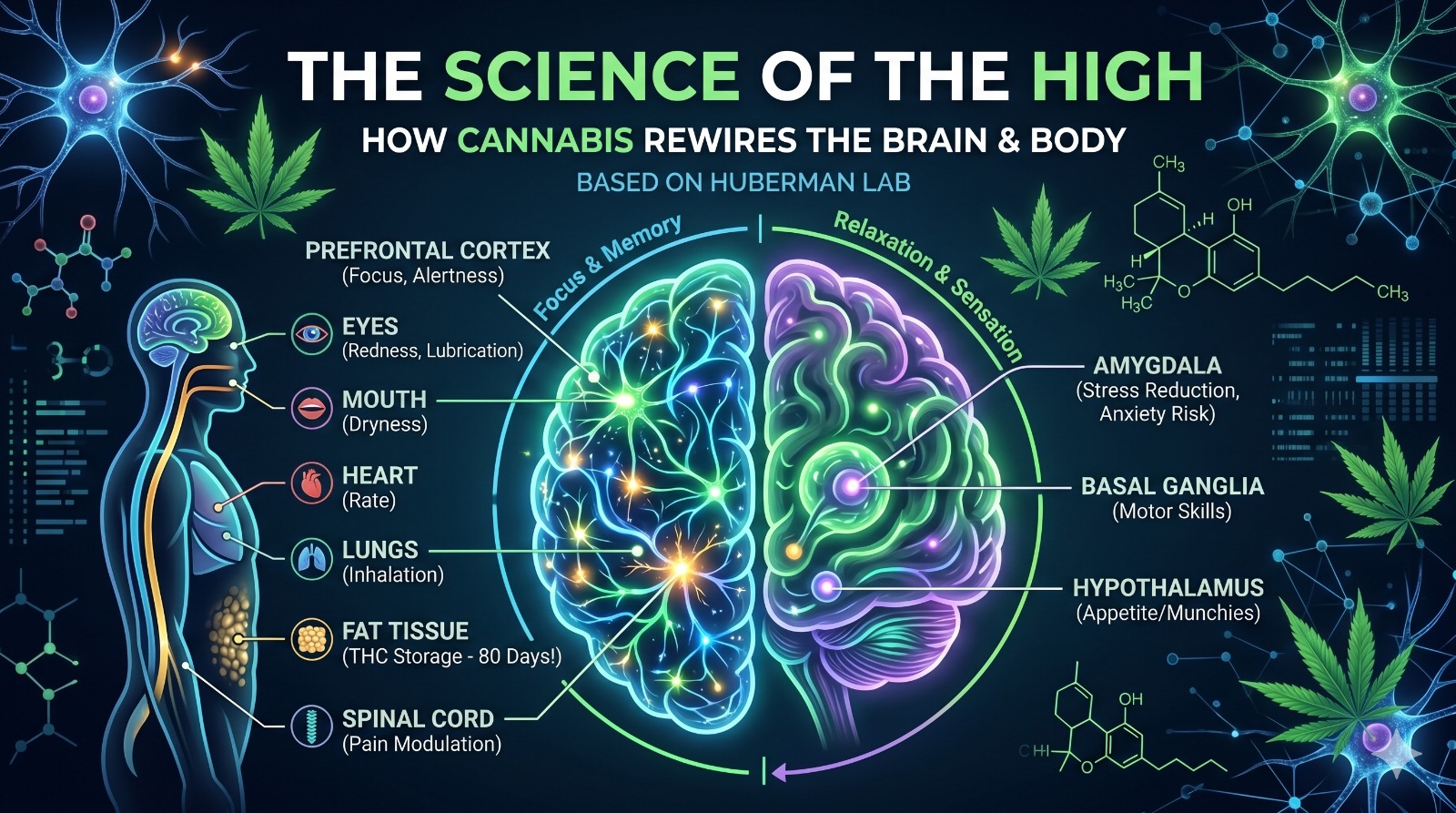
Discover the fascinating science of how THC and CBD flip biological switches in the brain, from inducing hyper-focus and the munchies to triggering memory blanks and unpredictable paranoia.
The entourage effect is used to sell full-spectrum products. Part of it holds up well, part of it rests on almost no human data, and the difference matters when you are choosing.
Minor cannabinoids are the industry's newest premium category. Their chemistry is genuinely interesting. The human evidence behind most product claims is close to nonexistent.
Cannabis does not kill brain cells. What it does depends heavily on when you start, and most acute cognitive effects in adults resolve with abstinence.
Cannabis breeding is selection, not engineering. Understanding genotype against phenotype explains why two jars of the same strain can be completely different products.
Cannabinoids dampen immune signalling. That is potentially useful in autoimmune disease and potentially dangerous if your immune system is already compromised.
Cannabis is not pharmacologically inert. CBD inhibits liver enzymes that clear a large share of prescription drugs, and a few of those interactions have serious consequences.
The endocannabinoid system (ECS) is a biological system that explains how cannabis affects the body. Learn about receptors, endocannabinoids, and cannabis interaction.
Cannabis terpenes are aromatic compounds that determine the smell, flavor, and effects of each strain. Learn about the most important terpenes and their benefits.
Explore the anatomy of the cannabis weed plant from roots to trichomes. Understand growth stages, male vs female plants, and what makes each part important.
THC (tetrahydrocannabinol) is the main psychoactive compound in cannabis responsible for the 'high.' Learn how THC interacts with your brain and body.