The entourage effect is the idea that cannabis compounds produce different effects together than they do alone. It is the main argument for full-spectrum products over isolates, and it gets cited constantly in dispensaries.
It is also two claims wearing one name. One of them has decent support. The other is mostly extrapolation from cell cultures and marketing copy.
The Part That Holds Up
CBD modifies what THC does. This is the best-supported piece, and the mechanism is specific rather than vague.
CBD acts as a negative allosteric modulator at the CB1 receptor. It does not block THC outright, it changes the shape of the receptor so THC binds less effectively. Practically, that means CBD can reduce the intensity of THC effects, including the anxiety and racing thoughts that come with too much THC.
This has support from controlled human work rather than only from theory, and it explains something people notice in practice: a balanced product at 10 mg THC does not feel like a THC-only product at 10 mg.
Nabiximols is the clinical version of this argument. The approved multiple sclerosis spasticity medicine contains THC and CBD in roughly equal measure, not THC alone. That formulation choice reflects a working assumption that the combination is better tolerated.
The Part That Does Not Hold Up Yet
Terpenes shaping the high. This is the claim doing most of the commercial work, and it has the least behind it.
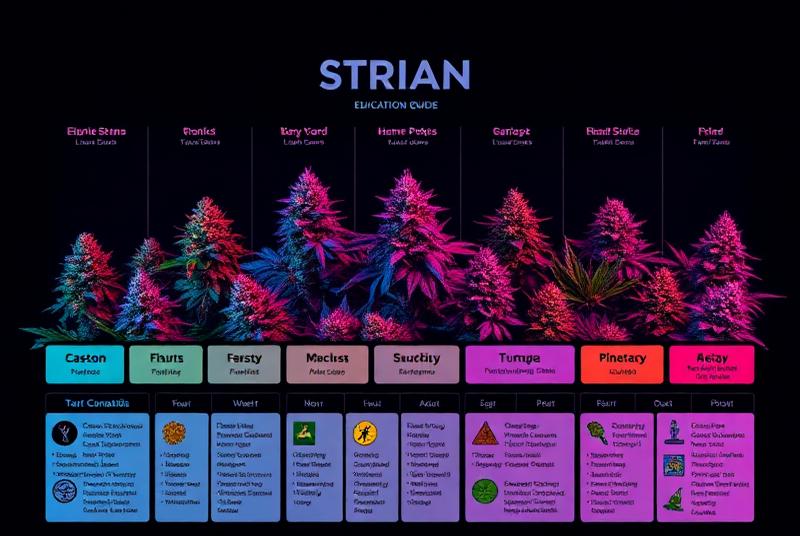
The story goes that myrcene sedates, limonene lifts mood, pinene sharpens focus, and a strain's terpene profile therefore predicts its effects better than its cannabinoid content. It is a satisfying story. The evidence for it in humans, at the concentrations actually present in cannabis, is thin.
Two problems:
Terpenes definitely determine smell and flavour, and smell shapes expectation, which shapes reported experience. That is a real effect. It is not the pharmacological one being advertised.
Why Strain Names Predict So Little
If terpene profiles were the deciding factor, strain names would be useful shorthand. They are not, for reasons that have nothing to do with the entourage effect being true or false.
Strain naming is unregulated. Genetic testing of commercial cannabis has repeatedly found that samples sold under the same name are frequently not genetically the same plant, and that plants sold under different names are sometimes identical. Growing conditions, harvest timing, drying and storage all shift the chemical profile of the same genetics.
So even if the terpene hypothesis were fully correct, a name on a jar would not reliably deliver a profile.
What This Means When You Buy
An Honest Summary
Whole-plant preparations plausibly differ from single molecules, and the CBD and THC interaction is real and useful. The specific claim that terpene ratios steer the experience is a hypothesis that outran its evidence and became a sales tool. Buy on cannabinoid content and your own recorded experience, not on a terpene chart.
Disclaimer: This article is for educational purposes only and does not constitute medical advice. Always consult with a qualified healthcare professional before making any health-related decisions.