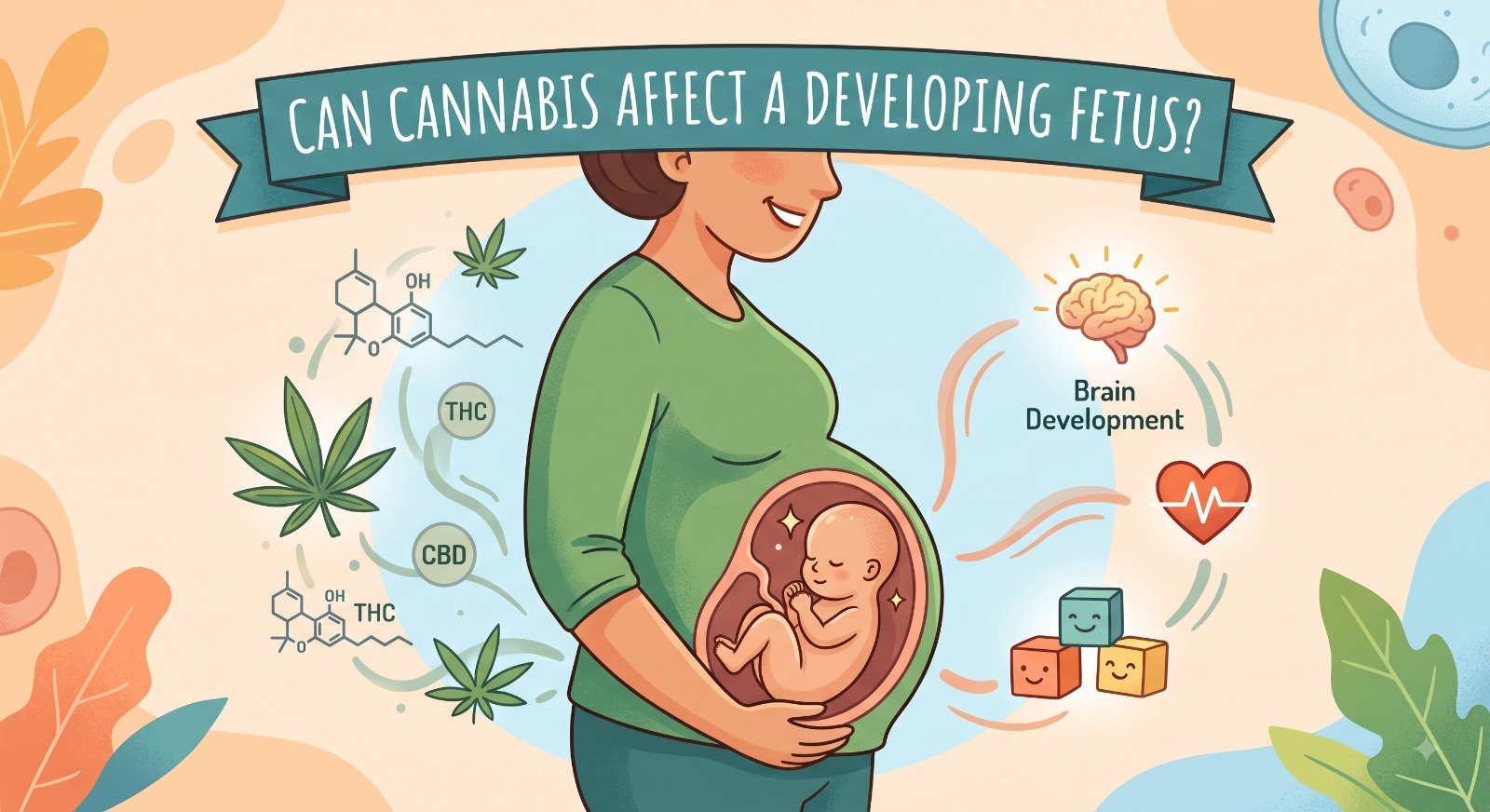
The Pregnancy Puff: Can Cannabis Affect Your Growing Baby?
You might be wondering if a little cannabis could be the magic cure. But before you reach for a gummy or take a puff, it’s important to know how it impacts your little one.
Summaries and analysis of the latest peer-reviewed cannabis health research.
17 articles in this category

You might be wondering if a little cannabis could be the magic cure. But before you reach for a gummy or take a puff, it’s important to know how it impacts your little one.


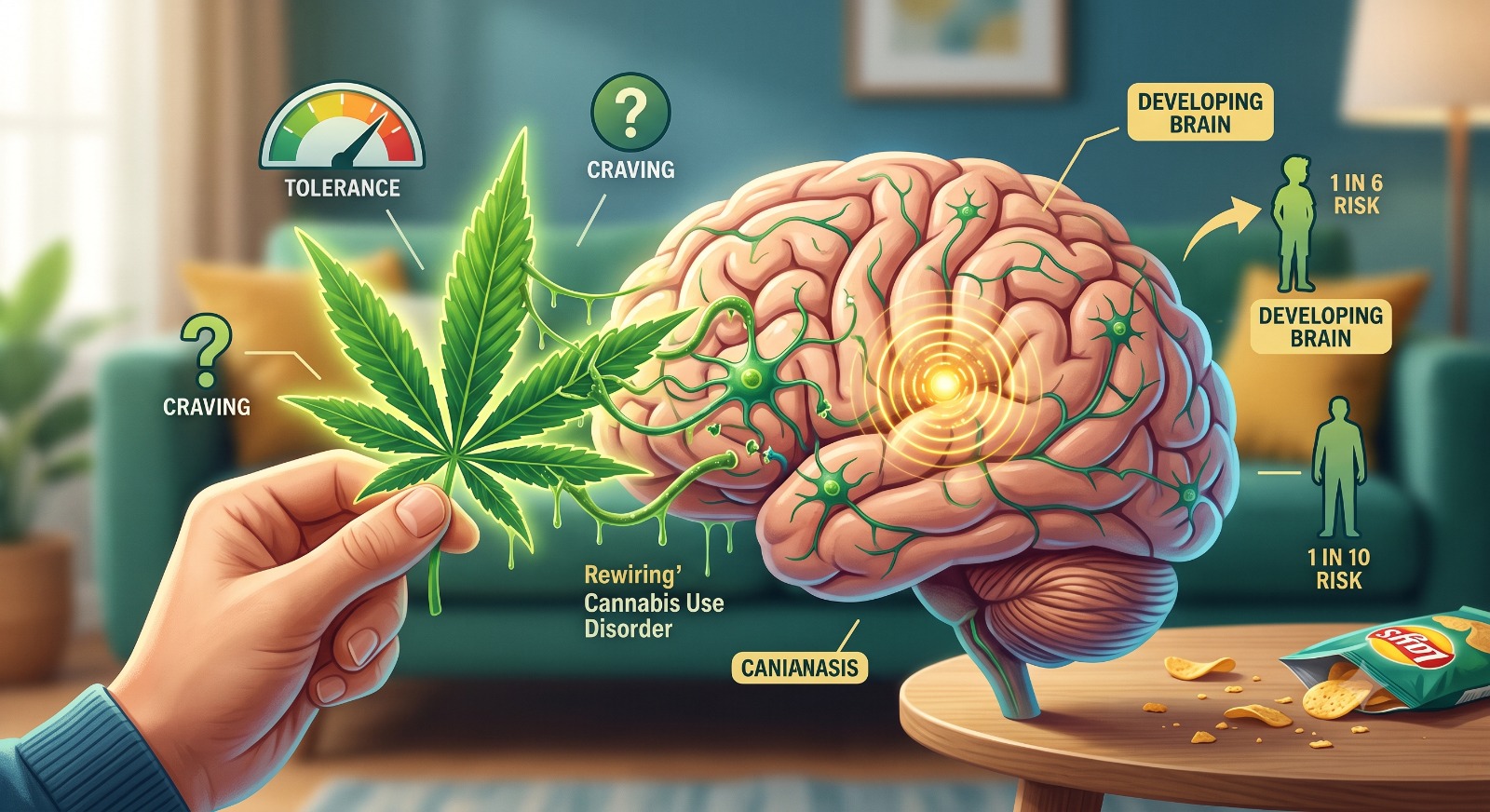
Wondering if you can get hooked on weed? We're cutting through the haze to bring you the science what happens in your brain, who is most at risk, and how to spot the signs of Cannabis Use Disorder.

Marijuana in India didn’t start as a party drug, it began as bhanga, a sacred herb in Ayurveda and Vedic ritual.

A practical look at how cannabis may affect sleep quality, REM cycles, and next-day recovery based on recent clinical trends and patient-reported outcomes.

Cannabis reliably shortens how long it takes to fall asleep. What happens after that is more complicated: THC suppresses REM, tolerance builds within weeks, and stopping causes rebound insomnia.

Cannabis and anxiety have a genuinely two-sided relationship. THC follows a biphasic dose curve, so the difference between relief and a panic reaction is often a matter of a few milligrams.

Cannabis smoke contains many of the same combustion toxicants as tobacco, yet the epidemiology has not produced tobacco's lung cancer signal. The reliable harm is chronic bronchitis.

Cannabinoids have a well-described anti-inflammatory mechanism and a persistent problem: in human studies, the inflammatory markers usually do not move.

Most people using cannabis for mental health are treating something real. The evidence supports far less than the practice assumes, and daily use creates a loop that looks like proof it works.

Skin is full of cannabinoid receptors, including on the oil glands involved in acne. The mechanistic case is one of the better ones in cannabis, and the human evidence has not caught up.

Population studies link cannabis use with better insulin sensitivity. The controlled trial that tested CBD found nothing. The practical concerns are more immediate than either.

Most people worry about cannabis and their lungs. The cardiovascular effects are more immediate, better documented, and matter more if you already have heart disease.

Cannabis products aimed at women's health have grown much faster than the research behind them. One area has a clear answer, and it is the one people most want an exception to.

Cannabinoids interfere with amyloid aggregation in cell studies, which generated a lot of headlines. The realistic near-term application is agitation in dementia, which is a different claim.

Cannabinoid receptors genuinely regulate bone remodelling, and CBD improved fracture healing in rats. Human studies of heavy cannabis users point the other way, which is the interesting part.

Cannabis reliably makes people eat more, and cannabis users have lower average body weight. Both are well documented, which is the most interesting unresolved thing about cannabis metabolism.

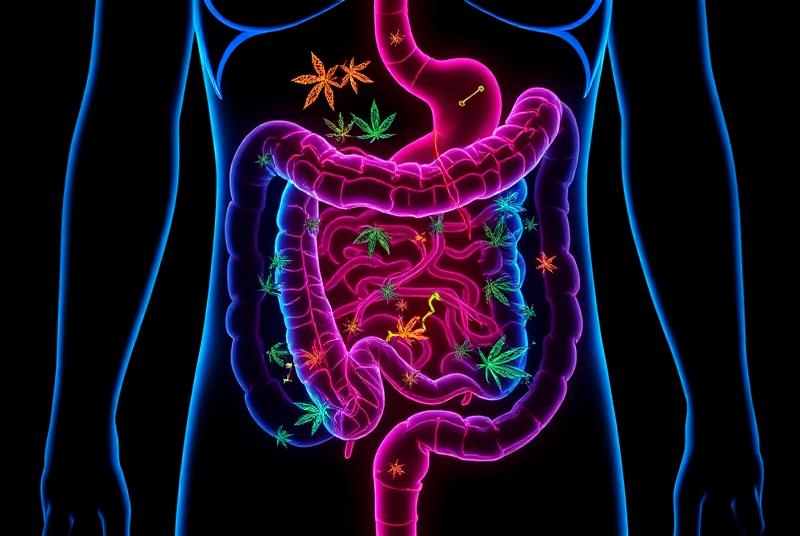
The digestive tract has a dense cannabinoid receptor network of its own. That explains slowed transit, the appeal for IBS, and the vomiting syndrome heavy users develop.