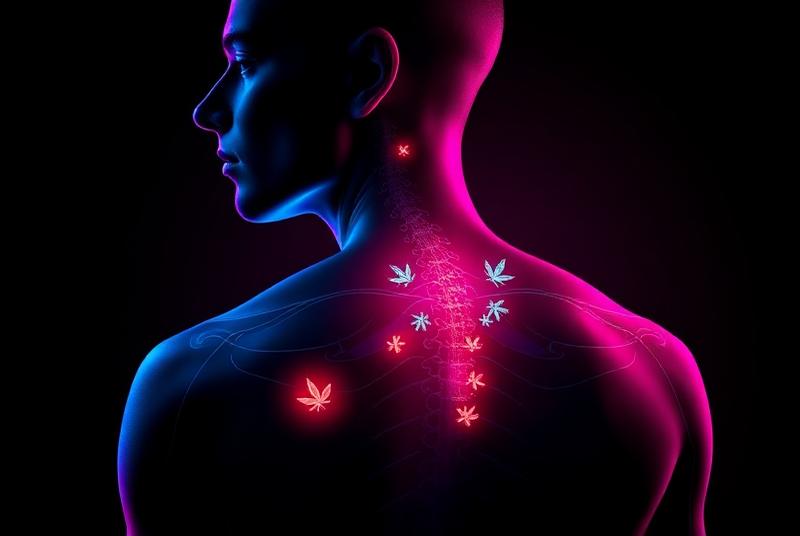
Skin is not an obvious place to look for cannabinoid receptors, which makes what researchers found there interesting. The endocannabinoid system is active in skin, and it participates in processes that dermatology cares about.
That gives cannabinoid skincare a stronger mechanistic starting point than most cannabis health claims. It has not translated into much clinical evidence yet, and the gap is where the marketing lives.
What Is Actually in Skin
Cannabinoid receptors and endocannabinoid machinery appear on:
The endocannabinoid system has been described as helping maintain skin homeostasis, including barrier function and controlled cell turnover. Disrupted signalling has been proposed as a factor in several skin conditions.
Acne: The Most Interesting Preclinical Finding
Acne involves excess sebum, abnormal keratinocyte behaviour, Cutibacterium acnes and inflammation. A study of human sebaceous gland cells reported that CBD reduced sebum production, limited proliferation of sebocytes and had anti-inflammatory effects on them.
That result hits three of four acne mechanisms at once, which is why it gets cited constantly. It is also laboratory work on isolated cells, not a clinical trial, and the concentrations used may not reflect what a cream delivers to a gland.
Treatments with actual trial evidence for acne include topical retinoids, benzoyl peroxide, topical and oral antibiotics, hormonal treatment and isotretinoin. CBD is an interesting candidate rather than a competitor to those.
Eczema and Psoriasis
Both are inflammatory conditions where the anti-inflammatory rationale is reasonable and the human evidence is limited.
For atopic dermatitis, small studies and case series of cannabinoid-containing creams have reported reduced itch and improved skin appearance. These are mostly unblinded and small, and emollient bases alone improve eczema substantially, which makes attributing benefit to the cannabinoid difficult.
For psoriasis, the rationale involves both inflammation and keratinocyte proliferation, since psoriasis features excessive keratinocyte turnover. Preclinical work suggests cannabinoids can slow that proliferation. Clinical evidence is scarce, and established options including topical vitamin D analogues, corticosteroids, phototherapy and biologics have far better support.
Itch May Be the Best Target
Pruritus is arguably where cannabinoid topicals have the most plausible near-term use. Itch signalling runs partly through TRPV1 channels and sensory nerve endings that cannabinoids act on, and there are reports of cannabinoid-containing preparations reducing itch in conditions including uraemic pruritus in dialysis patients.
Itch is also a symptom where existing options are limited and where subjective relief is the goal, so the bar is different from treating a disease process.
Wound Healing and Ageing
Claims about wound healing and anti-ageing rest largely on the antioxidant and anti-inflammatory properties of cannabinoids plus receptor presence in skin. This is plausible and essentially untested in humans.
One point cuts the other way and rarely appears in marketing: smoking cannabis is not good for skin. Combustion exposes skin to oxidative stress and, as with tobacco, chronic smoke exposure is associated with premature skin ageing. A CBD serum does not offset smoke exposure.
Buying Sensibly
Bottom Line
Skin contains cannabinoid receptors on keratinocytes, sebocytes, immune cells and sensory nerves, which makes the mechanistic case for topical cannabinoids one of the better ones in this field. The acne finding on sebocytes is genuinely interesting laboratory work. Human trials are largely missing, itch is the most plausible near-term use, and smoking works against skin health regardless of what you apply to it.
Disclaimer: This article is for educational purposes only and does not constitute medical advice. Always consult with a qualified healthcare professional before making any health-related decisions.