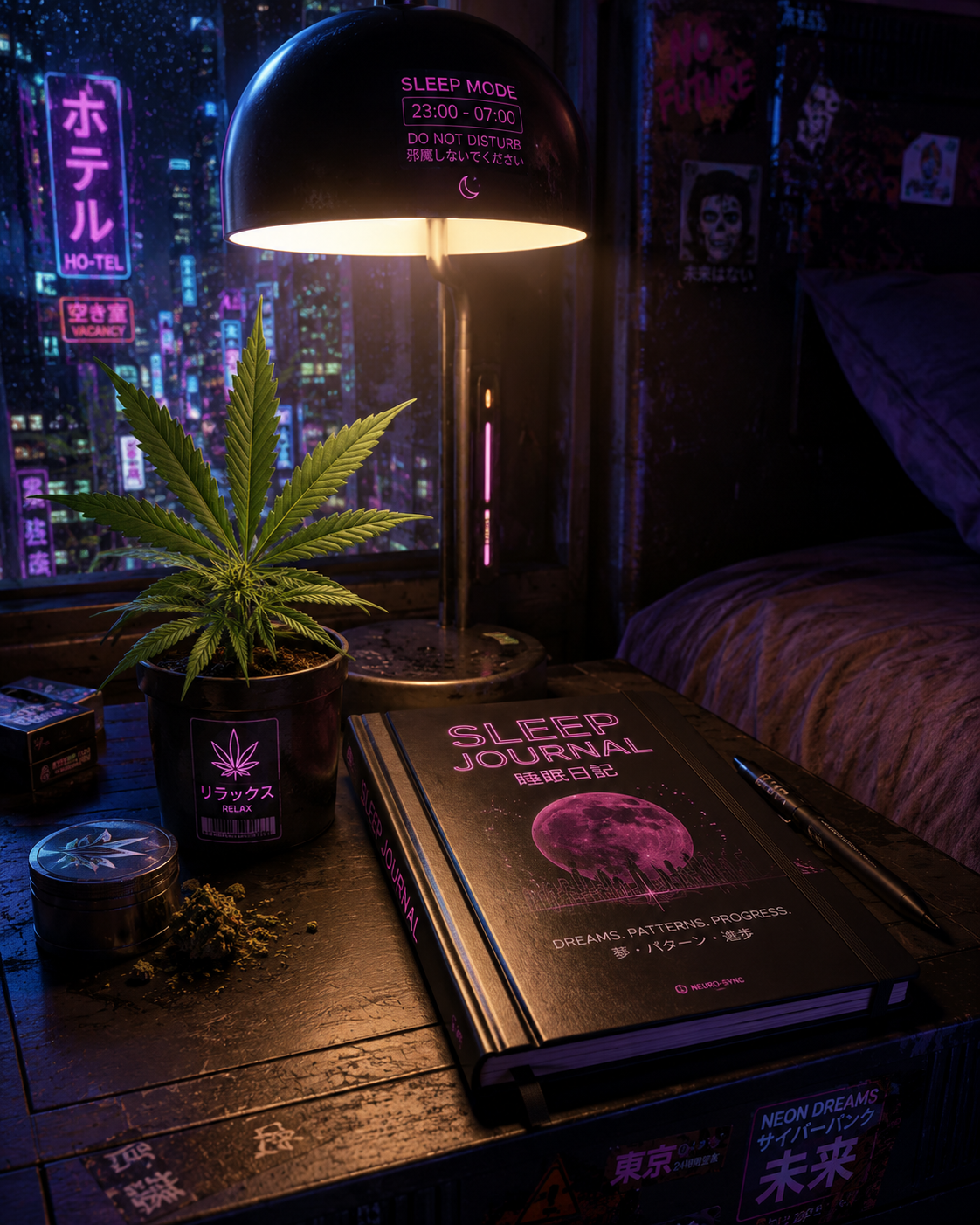
Cannabis and Sleep in 2026: What New Research Suggests
By Joint Valley Research Team Last updated: 2 min read
Researchers continue evaluating how cannabinoids influence sleep architecture and next-day function.
Why Sleep and Cannabis Are Being Studied More Closely
Sleep complaints remain one of the most common reasons adults explore cannabis products. Interest has grown as legal access expands and as people seek alternatives to traditional sleep medications.
What Recent Evidence Suggests
Current studies suggest cannabis may help some users fall asleep faster, but consistent long-term improvement in sleep quality is less certain. Results often depend on dose, product composition, timing, and baseline sleep health.
THC and Sleep Onset
THC may shorten sleep latency for some users. Higher doses, however, can increase grogginess the next morning and may worsen sleep consistency over time.
CBD and Nighttime Relaxation
CBD appears less sedating for many users, but may support pre-sleep relaxation and anxiety reduction in certain populations. Effects are often subtle and dose-dependent.
REM Sleep and Dream Changes
One recurring finding is that THC can suppress REM sleep in some users. People often report fewer vivid dreams while using THC and rebound vivid dreams when stopping.
Risks to Watch
Tolerance can develop with nightly use
Withdrawal-related sleep disruption may occur after abrupt cessation
Product labeling and potency inconsistency can affect outcomes
Daytime fatigue may increase with high evening doses
Practical Guidance for Adults Considering Cannabis for Sleep
1. Start low and increase slowly.
2. Track bedtime, dose, and next-day energy for at least two weeks.
3. Avoid mixing with alcohol or other sedatives.
4. Prioritize core sleep hygiene first: light control, routine, and caffeine timing.
Clinical Takeaway
Cannabis may support sleep for some adults in specific contexts, but it is not a universal solution. The strongest outcomes usually come from combining symptom-targeted cannabinoid use with behavioral sleep strategies.
Final Thoughts
As research continues, the most reliable approach is personalized and conservative: clear goals, minimal effective dose, and regular reassessment of sleep quality and daytime function.
Frequently Asked Questions
Does cannabis help people fall asleep faster?
Some users report faster sleep onset, especially with THC-dominant products, but effects vary by dose, tolerance, and individual sleep disorders.
Can cannabis reduce REM sleep?
THC may reduce REM duration in some users, which can influence dreaming patterns. Long-term effects are still being studied.
Is CBD better than THC for sleep?
CBD may support relaxation for some people, while THC can be more sedating. The best approach depends on symptoms, sensitivity, and medical context.
Can nightly cannabis use hurt sleep over time?
Daily heavy use may lead to tolerance and rebound sleep issues if stopped abruptly. Intermittent use and careful dosing may reduce this risk.
Share this article
About the Author
Joint Valley Research Team
Our research team comprises cannabis educators, medical professionals, and science writers dedicated to providing accurate, evidence-based cannabis information.