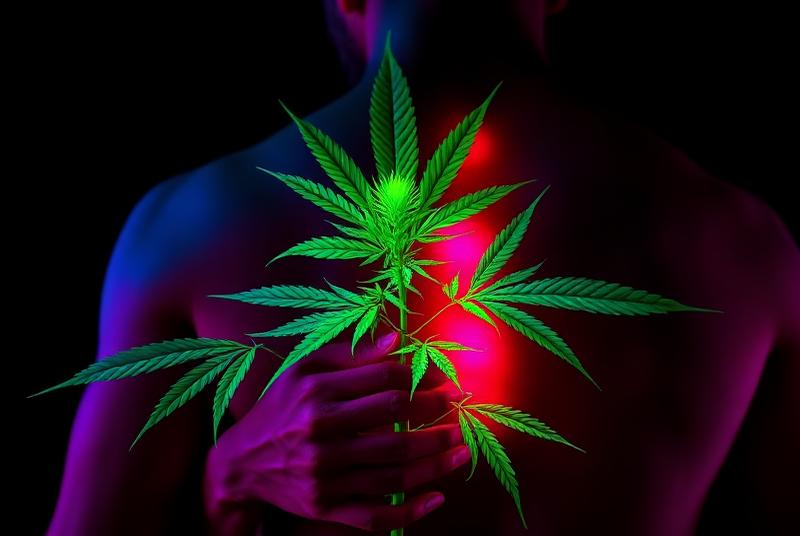
Weed is the colloquial name for cannabis, a flowering plant in the family Cannabaceae that has been cultivated by humans for thousands of years. The plant produces over 100 chemical compounds called cannabinoids, with THC (tetrahydrocannabinol) and CBD (cannabidiol) being the most well-known. Weed is consumed for both recreational and medicinal purposes worldwide.
What Exactly Is Weed?
Weed refers to the dried flowers, leaves, stems, and seeds of the Cannabis sativa or Cannabis indica plant. When people say "weed," they typically mean the parts of the plant that contain significant concentrations of THC, the psychoactive compound responsible for the characteristic "high." The term has become the most widely used slang for cannabis globally, surpassing older terms like marijuana, pot, and ganja.
Cannabis plants produce a sticky resin on their flowers that contains cannabinoids, terpenes, and flavonoids. These compounds work together to create the various effects associated with weed consumption. The concentration of THC in modern cannabis strains has increased significantly over the past few decades, with some strains now exceeding 30% THC content.
How Does Weed Work in the Body?
When weed is consumed (whether smoked, vaped, or eaten), the cannabinoids enter the bloodstream and interact with the body's endocannabinoid system (ECS). The ECS is a complex network of receptors found throughout the brain and body that regulates essential functions like mood, pain perception, appetite, and sleep.
THC binds primarily to CB1 receptors concentrated in the brain, producing psychoactive effects such as euphoria, altered perception of time, and increased appetite. CBD, on the other hand, does not bind directly to these receptors and is non-psychoactive. Instead, CBD modulates the ECS indirectly, which is why it has gained popularity for therapeutic applications without the high.
The effects of weed depend on several factors including the strain, potency, method of consumption, and individual tolerance. Smoking or vaping produces effects within minutes that typically last 1 to 3 hours, while edibles take 30 to 90 minutes to kick in but can last 4 to 8 hours.
Types of Weed
Cannabis is broadly categorized into three types:
Modern cannabis science suggests that the indica/sativa classification is an oversimplification. The actual effects of a given strain are more accurately predicted by its specific cannabinoid and terpene profile rather than its indica or sativa classification.
Common Uses of Weed
People use weed for a wide range of purposes. Recreational users consume it for relaxation, socializing, creativity enhancement, and enjoyment. Medical cannabis patients use it to manage chronic pain, anxiety, insomnia, nausea, and various other conditions under the guidance of healthcare providers.
The global cannabis market has expanded rapidly as legalization spreads. In regions where weed is legal, consumers can purchase it from licensed dispensaries in various forms including dried flower, pre-rolled joints, edibles, concentrates, tinctures, and topicals.
Is Weed Legal?
The legal status of weed varies dramatically worldwide. In the United States, cannabis remains federally illegal but has been legalized for recreational use in over 20 states. Canada legalized recreational cannabis nationwide in 2018. Uruguay became the first country to fully legalize weed in 2013. Many European countries have decriminalized personal use while maintaining restrictions on commercial sales.
It is essential to research and comply with the specific cannabis laws in your jurisdiction before purchasing or using weed.
Risks and Responsible Use
While many people use weed without significant issues, it is important to understand potential risks. Short-term effects can include impaired memory, altered judgment, and anxiety in some users. Long-term heavy use may affect cognitive function, particularly in adolescents whose brains are still developing.
Responsible use guidelines include starting with low doses, avoiding driving while impaired, purchasing from licensed sources, and consulting a healthcare provider if using cannabis for medical purposes.
Disclaimer: This article is for educational purposes only and does not constitute medical advice. Always consult with a qualified healthcare professional before making any health-related decisions.