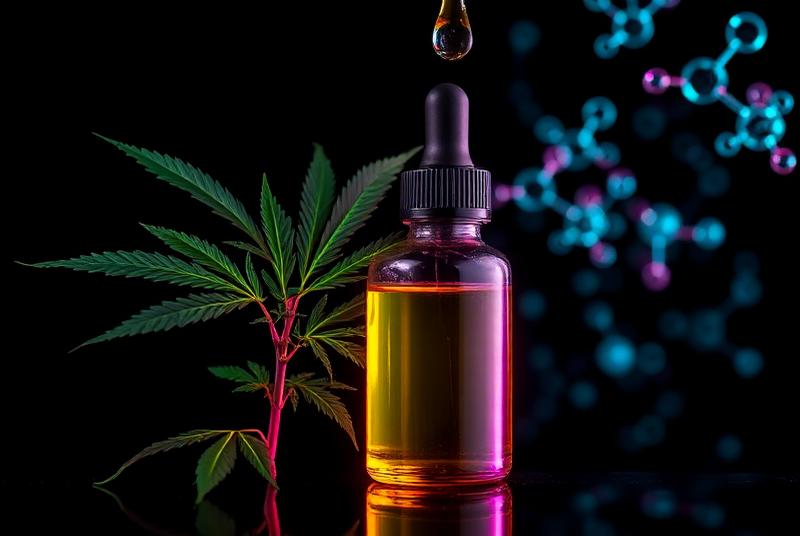
Cannabis is a genus of flowering plants in the family Cannabaceae that includes three primary species: Cannabis sativa, Cannabis indica, and Cannabis ruderalis. The plant has been used by humans for over 5,000 years for its fiber, seeds, and psychoactive properties. Cannabis contains more than 100 unique chemical compounds called cannabinoids, along with terpenes and flavonoids that contribute to its effects and aroma.
Definition of Cannabis
Cannabis refers to a group of plants that produce a resin rich in cannabinoids, naturally occurring compounds that interact with the human endocannabinoid system. The two most studied cannabinoids are THC (tetrahydrocannabinol), which produces psychoactive effects, and CBD (cannabidiol), which is non-intoxicating. The term cannabis is the scientific name for the plant, while slang terms like weed, marijuana, pot, and ganja are used colloquially.
The cannabis plant is dioecious, meaning individual plants are either male or female. Female plants produce the resinous flowers (buds) that contain the highest concentrations of cannabinoids and are primarily cultivated for consumption. Male plants are used in breeding programs and for hemp fiber production.
How Cannabis Works
Cannabis compounds interact with the body through the endocannabinoid system (ECS), a biological system discovered in the 1990s. The ECS consists of endocannabinoids produced naturally by the body, cannabinoid receptors (CB1 and CB2), and enzymes that break down endocannabinoids.
CB1 receptors are concentrated in the central nervous system, particularly the brain, and are responsible for the psychoactive effects of THC. CB2 receptors are found primarily in the immune system and peripheral organs. When cannabis is consumed, plant cannabinoids (phytocannabinoids) interact with these receptors, modulating pain, inflammation, mood, appetite, and numerous other physiological processes.
Different consumption methods affect how quickly and intensely cannabis works. Inhalation (smoking or vaping) delivers cannabinoids to the brain within seconds. Oral consumption (edibles, capsules) requires digestion and produces delayed but longer-lasting effects. Topical application allows localized relief without systemic psychoactive effects.
Cannabis Compounds
Beyond THC and CBD, the cannabis plant produces a rich pharmacopeia of compounds:
Medical Uses of Cannabis
Medical cannabis programs exist in over 40 countries worldwide. Conditions commonly treated with medical cannabis include chronic pain, epilepsy, multiple sclerosis spasticity, chemotherapy-induced nausea, and PTSD. The FDA has approved several cannabis-derived medications, including Epidiolex (CBD) for certain seizure disorders and Marinol (synthetic THC) for appetite stimulation and nausea.
Research into cannabis therapeutics continues to expand as legal barriers to scientific study are reduced. Clinical trials are investigating cannabis for conditions ranging from anxiety and insomnia to neurodegenerative diseases and autoimmune disorders.
Cannabis vs Hemp
Both cannabis and hemp are the same species, Cannabis sativa, but they are legally distinguished by THC content. In most jurisdictions, hemp is defined as cannabis containing less than 0.3% THC by dry weight. Hemp is cultivated for industrial purposes including fiber, seed oil, food products, and CBD extraction. Cannabis with higher THC levels is cultivated for recreational and medical use.
Legal Status Worldwide
Cannabis legalization is accelerating globally. Canada, Uruguay, and several US states have legalized recreational cannabis. The European Union is seeing progressive reforms, with Germany legalizing in 2024. However, cannabis remains prohibited in many Asian and African countries. The legal landscape is complex and evolving, making it essential to verify local laws before purchasing or using cannabis products.
Disclaimer: This article is for educational purposes only and does not constitute medical advice. Always consult with a qualified healthcare professional before making any health-related decisions.