Paediatric cannabis divides cleanly into two topics that get confused with each other. One is a legitimate, narrow, prescription-supervised use with trial evidence. The other is an accidental poisoning trend that has grown alongside legalisation.
Both deserve straight treatment, and neither supports giving children THC.
The Legitimate Use: Severe Epilepsy
Epidiolex, a purified plant-derived CBD oral solution, is approved for seizures associated with Lennox-Gastaut syndrome, Dravet syndrome and tuberous sclerosis complex. These are rare, severe, childhood-onset epilepsies that often resist multiple conventional medications.
Key points for parents:
This is real paediatric medicine with real supervision. It is not an argument for artisanal CBD oil, which has repeatedly been found mislabelled in both directions, sometimes containing THC. For a child with a seizure disorder, inconsistent dosing between bottles undermines treatment.
Other Contexts Where Cannabinoids Appear
Why THC Is a Different Matter in Children
The developing brain is the core issue. Neural development continues into the mid-twenties, and the endocannabinoid system participates in that process, including synaptic pruning and prefrontal maturation.
Introducing a CB1 agonist into that process carries risks that do not apply the same way in adults. Heavy adolescent cannabis use is associated with poorer verbal learning and memory, reduced educational attainment, higher rates of cannabis use disorder and increased psychosis risk, with risk scaling with earlier onset and higher potency.
Delaying first use is the single most protective factor available. That is why paediatric cannabinoid medicine is built around non-intoxicating CBD rather than THC.
The Poisoning Problem
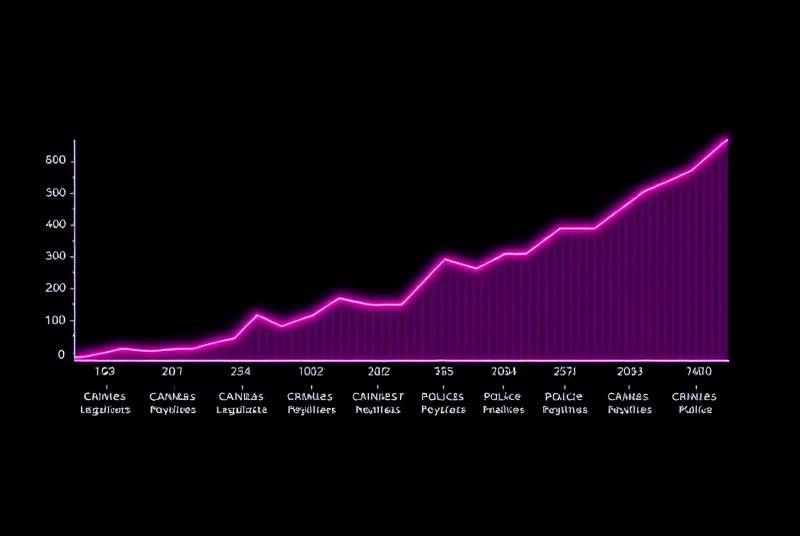
Accidental paediatric cannabis ingestion has risen substantially in jurisdictions with legal adult markets, and the pattern is consistent enough to be predictable.
Why it happens:
What it looks like: lethargy and unusual sleepiness, ataxia and unsteadiness, dilated pupils, rapid heart rate, vomiting, and in more serious cases respiratory depression or seizures. Presentations severe enough for intensive care admission occur, and children have been intubated. Unlike adult overconsumption, paediatric ingestion can be genuinely dangerous.
What to do: contact emergency services or poison control immediately, and say what was eaten. Concealing it delays correct treatment and can lead to invasive investigation for other causes of altered consciousness. Nobody is served by embarrassment here.
Prevention that works: store cannabis in a locked container, keep it out of reach and out of sight rather than only out of reach, keep products in original child-resistant packaging, never decant edibles into ordinary food containers, and treat it exactly as you would prescription medication.
Bottom Line
There is one well-established paediatric cannabinoid use: purified CBD for three severe epilepsy syndromes, weight-dosed and monitored. THC is a different question because it acts on a developing brain, and delaying exposure is protective. Meanwhile the most common paediatric cannabis event in legal markets is a toddler eating an edible, which is a storage problem with a straightforward fix.
Disclaimer: This article is for educational purposes only and does not constitute medical advice. Always consult with a qualified healthcare professional before making any health-related decisions.