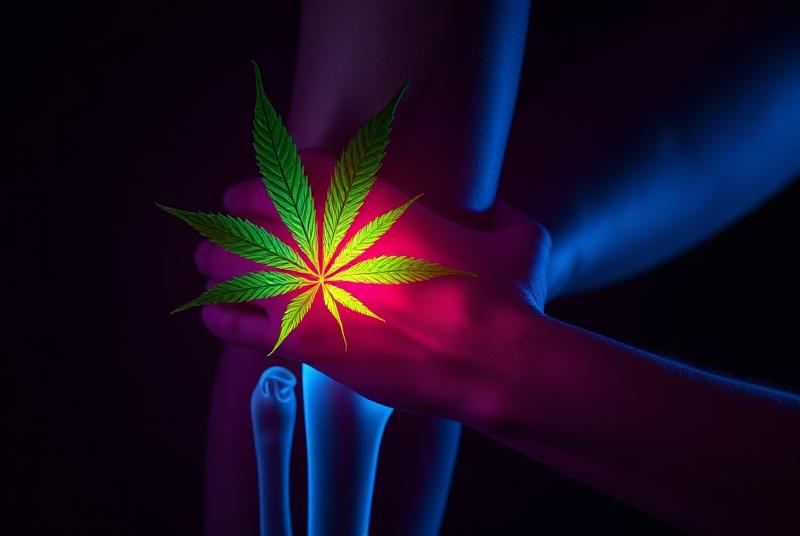
Cannabis for pain relief is one of the most extensively studied therapeutic applications of the plant. Chronic pain is the number one reason patients seek medical marijuana, and a landmark 2017 report by the National Academies of Sciences concluded there is "conclusive or substantial evidence" that cannabis is effective for treating chronic pain in adults. The cannabis plant offers a multimodal approach to pain management, working through the endocannabinoid system, inflammatory pathways, and neurological mechanisms that conventional painkillers do not address.
How Cannabis Relieves Pain
Cannabis manages pain through multiple mechanisms of action, setting it apart from single-mechanism analgesics like NSAIDs or opioids:
Research Evidence for Cannabis Pain Relief
Multiple clinical studies support cannabis for pain management:
A 2015 systematic review published in JAMA found that cannabinoids were associated with a "greater reduction in chronic pain" compared to placebo across 28 randomized controlled trials. A 2018 review in the Journal of Headache and Pain found evidence supporting cannabis for migraine, fibromyalgia, and irritable bowel syndrome pain.
Research on specific pain conditions includes:
1. Neuropathic pain: A gold-standard review in the Cochrane Database found moderate-quality evidence that cannabis-based medicines may increase the number of people achieving 50% or greater pain relief compared to placebo 2. Arthritis pain: A 2020 study in Pain found that CBD gel applied topically reduced joint swelling and pain in animal models of arthritis 3. Cancer pain: The combination of THC and CBD has shown promise for cancer pain that does not respond adequately to opioids 4. Fibromyalgia: A 2019 study in the Journal of Clinical Medicine found that medical cannabis significantly reduced pain intensity in fibromyalgia patients
THC vs CBD for Pain
Both THC and CBD contribute to pain relief, but through different mechanisms:
THC provides direct analgesic effects by activating CB1 receptors in pain-processing brain regions. It is particularly effective for acute pain, neuropathic pain, and pain associated with muscle spasms. However, its psychoactive effects may limit its use in some patients.
CBD offers anti-inflammatory and pain-modulating effects without psychoactive side effects. It is better suited for inflammatory conditions, chronic pain requiring daily management, and patients who cannot tolerate THC.
Research suggests the combination of THC and CBD may be more effective than either compound alone. A 2:1 or 1:1 CBD:THC ratio is commonly used in medical settings to balance pain relief with tolerability.
Cannabis as an Opioid Alternative
One of the most significant findings in cannabis pain research is its potential to reduce opioid use. A 2018 study published in JAMA Internal Medicine found that states with medical cannabis laws had 14.4% lower opioid prescribing rates. A 2017 study in the Clinical Journal of Pain found that 97% of medical cannabis patients were able to decrease their opioid use.
This is critically important given the opioid crisis. Cannabis has a dramatically better safety profile than opioids, zero fatal overdoses have been attributed to cannabis alone, compared to over 80,000 annual opioid overdose deaths in the US.
How to Use Cannabis for Pain
For pain management, consider the following approaches:
Disclaimer: This article is for educational purposes only and does not constitute medical advice. Always consult with a qualified healthcare professional before making any health-related decisions.